

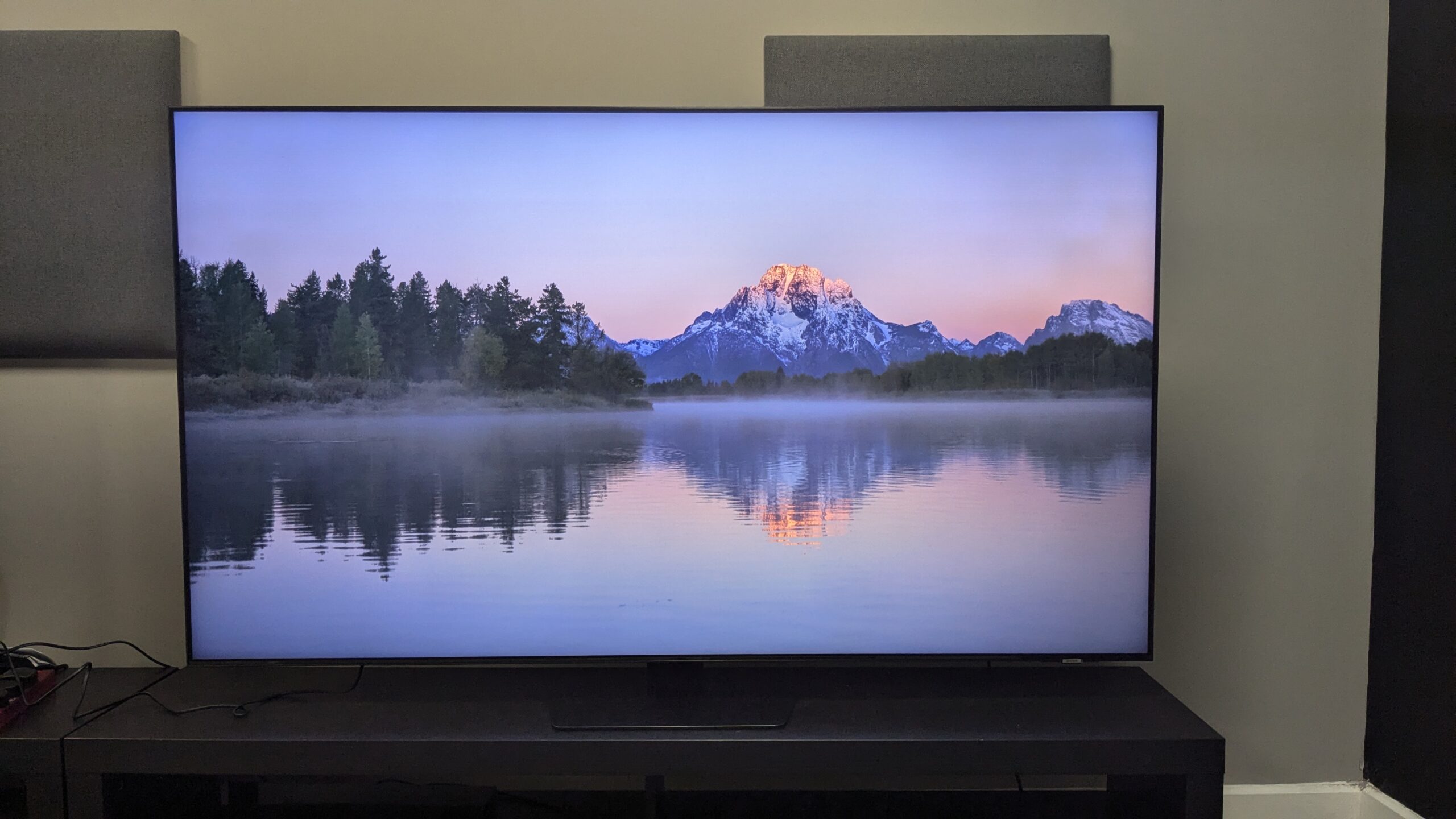
4K televisions hits the market, offering consumers a dizzying array of choices. These TV often share many common features, which can make selecting one over the other feel more like a gamble than a strategic decision. Performance in the budget TV segment tends to be fairly uniform, making it difficult to identify a standout model. However, every so often a television emerges that distinguishes itself with features typically reserved for more expensive models. In 2025, the Hisense U6N Series stands as that rare gem.
This television delivers a package of hardware and software capabilities comparable to premium models but at a far more accessible price point. Whether you’re upgrading from a dated display or diving into 4K for the first time, the U6N makes a compelling case as the top budget pick of the year.
How the Best Was Determined
Modern Display Technologies
For our recommendations, we prioritize LCD TVs that incorporate advanced display enhancements. Features such as mini-LED backlighting, local dimming, and quantum dot color filters are critical to delivering deeper contrast, vibrant colors, and improved brightness.
HDR Support
High Dynamic Range (HDR) video is now a staple of modern entertainment. Our top picks must support all major HDR formats: HDR10, HDR10+, Hybrid Log-Gamma (HLG), and Dolby Vision. More importantly, the selected TV must demonstrate effective implementation of these formats to truly elevate picture quality.
Streamlined User Experience
A seamless user interface is critical in a smart TV. We examine the built-in operating system to ensure it offers smooth navigation, responsive app launching, and robust app availability. The goal is to eliminate the need for an external streaming device unless specifically desired.
Laboratory and Real-World Testing
To remove subjectivity, we employ tools like Calman software from Portrait Displays, along with light and color meters, to objectively measure each television’s brightness, contrast, and color fidelity. These tests are conducted in tandem with real-world content evaluations, using a variety of scenes and lighting environments.
The Standout Performer – Hisense U6N Series
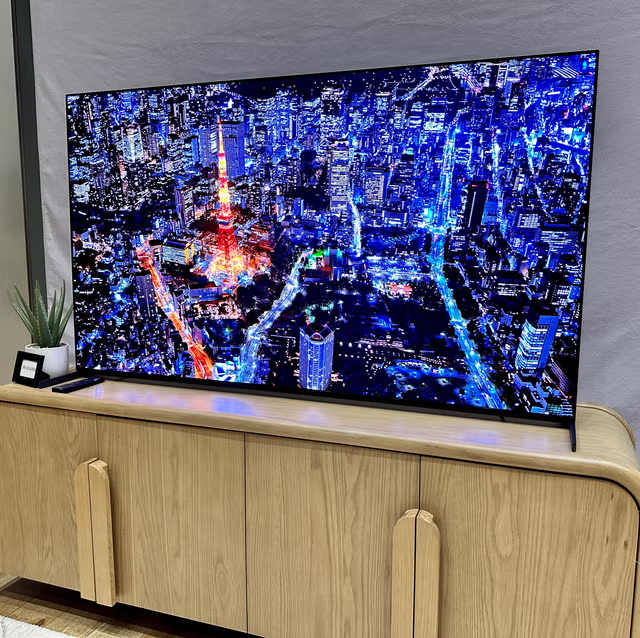
The Hisense U6N Series emerges as the leading contender in the budget 4K TV category due to its incorporation of premium technologies that are seldom found at this price point. Mini-LED backlighting combined with full-array local dimming enhances contrast and black levels significantly. Quantum dots further refine the color accuracy, ensuring that images are not only bright but also vibrant and nuanced.
Available in sizes ranging from 55 to 85 inches, the U6N adapts to different room sizes and viewing preferences. It supports all major HDR formats and utilizes Google TV as its smart platform, which has gained a reputation for offering a more polished and customizable experience than alternatives like Fire TV or proprietary OS interfaces.
This model includes four HDMI 2.0 ports but lacks HDMI 2.1 support and a 120 Hz refresh rate, which are favored by high-performance gamers. However, casual gamers will appreciate its low input lag and gaming-centric features like Automatic Low Latency Mode (ALLM) and Variable Refresh Rate (VRR).
Strengths of the Hisense U6N Series
Display Technology That Surpasses Expectations
In comparison to other TVs in its price range, the U6N delivers far superior visual performance. Traditional LED TVs rely on standard backlighting that struggles to render deep blacks and highlight subtle variations in light. Mini-LED technology, however, shrinks the size of the LEDs, allowing the display to illuminate and dim specific screen areas more precisely. This greatly enhances dynamic range and overall picture realism.
In side-by-side comparisons with other budget models like the TCL Q68, the U6N consistently performed better in scenes demanding high contrast. For instance, during intense cinematic scenes like those in Interstellar, the Hisense demonstrated remarkable detail in both bright and shadowed areas.
Quantum Dots for Richer Color
Color vibrancy is noticeably improved thanks to the inclusion of quantum dots. These nano-sized particles enhance the saturation and brightness of colors, rendering lifelike hues and gradients. This means greens, reds, and blues appear deeper and more accurate, making nature documentaries, animated films, and games particularly striking.
Google TV Integration
The U6N runs on the Google TV platform, which excels in cross-platform content discovery, app integration, and user interface customization. Despite its slight sluggishness—due to the TV’s budget-level processor—the platform remains highly usable and intuitive. Access to major apps like Netflix, YouTube, Prime Video, and Disney+ is quick and reliable.
Competent Gaming Performance
Although not designed specifically for hardcore gaming, the U6N holds its own with an input lag of just 9.5 milliseconds when in Game Mode. This makes it viable for most casual and even some competitive gaming experiences. Its VRR and ALLM features also help maintain smooth performance, especially in action-heavy titles.
Limitations to Consider
Brightness Ceiling
When directly compared to higher-end LCDs like the Hisense U7N, the U6N does fall short in peak brightness. Measuring around 650 nits in HDR, it trails behind the U7N’s 1,000+ nit performance. In brightly lit rooms, this difference becomes more noticeable.
Viewing Angles
Off-angle viewing isn’t the U6N’s strong suit. Color and contrast begin to degrade when watching from sharp side angles. While this is common in budget LCDs, more expensive models handle this better.
Basic ATSC Tuner
The lack of an ATSC 3.0 tuner limits access to 4K over-the-air broadcasts. While 4K broadcast content is not widespread, it’s growing in availability. External tuners are required for those wanting to watch such content on this TV.
Slight Lag in OS Performance
Users upgrading from premium TVs or using high-end streaming sticks may notice the U6N’s slower app loading and UI transitions. These are minor but worth noting for users who are particularly sensitive to performance hiccups.
Recommended Settings for Optimal Performance
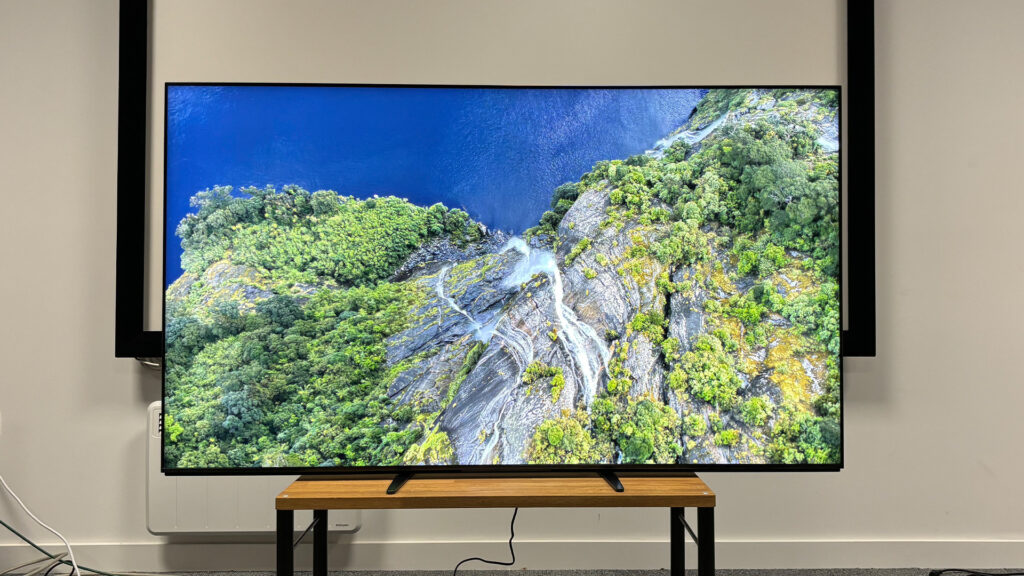
For SDR content, the Theater mode provides a good balance between brightness and accuracy, particularly in daylight viewing. Filmmaker Mode offers greater accuracy but is best used in dimly lit rooms due to its lower brightness levels.
When watching Dolby Vision content, the default IQ mode often introduces motion smoothing that can result in the dreaded “soap opera effect.” Switching to Dolby Vision Custom mode allows full control over motion settings for a more cinematic look.
Alternative Options Worth Exploring
TCL Q68 Series
This model features a native 120 Hz panel and is one of the few budget TVs offering that specification. However, it falls short in black levels, brightness, and color fidelity compared to the U6N. It’s still a decent choice for gamers who prioritize refresh rate over picture quality.
Panasonic W70B
Targeted at users looking for smaller sizes (down to 43 inches), this TV delivers acceptable performance with HDR and 4K content. The Fire TV OS is sluggish, and the display brightness is limited, making it better suited for dark rooms.
Hisense U7N
Those willing to spend slightly more should consider this model. With a peak brightness exceeding 1,000 nits and 120 Hz refresh rate support, the U7N is ideal for brighter rooms and fast-paced gaming.
Future Models to Watch
Hisense is already preparing to launch the U6QF, a follow-up to the U6N that replaces Google TV with Fire TV. Given our preference for the former, we approach the update cautiously. Roku’s 2025 Plus Series is also on our radar due to its inclusion of mini-LED tech at an affordable price point.
TCL’s QM6K is another new entrant showing promise, particularly in color handling. Further testing will determine if it earns a spot among our recommended picks.
For the average viewer looking to upgrade their home entertainment setup without overspending, the Hisense U6N is the standout choice for 2025.
The 2025 TV market continues to see an influx of budget-friendly 4K televisions, making it difficult to identify which models truly stand out. While many share similar specs, few deliver premium features at accessible prices. One model that breaks this mold is the Hisense U6N Series.
Highlighting the Hisense U6N
Blending mini-LED backlighting, full-array local dimming, and quantum dot technology, the U6N offers exceptional image clarity and color accuracy that are rare at this price point. It’s available in screen sizes from 55 to 85 inches, catering to various room types. Picture quality remains consistent with support for HDR10, HDR10+, HLG, and Dolby Vision.
Smart Platform Performance
This model runs Google TV, a smart platform known for easy navigation and strong app integration. Though performance may lag slightly during startup, the interface remains intuitive and responsive once fully loaded. Popular streaming services, including Netflix and Disney+, are accessible with ease.
Gaming Capabilities
Gamers will find the U6N capable, even if it lacks HDMI 2.1 and a 120 Hz refresh rate. Features like ALLM and VRR help ensure smoother gameplay. Input lag sits around 9.5 ms in Game Mode, which is fast enough for most casual players.
Limitations to Consider
Limitations include a brightness cap of 650 nits, which may impact performance in bright rooms. Viewing angles are limited, as is typical for budget LCDs. Another drawback is the absence of an ATSC 3.0 tuner, meaning 4K over-the-air broadcasts require additional equipment.
Comparison With Competing Budget TVs
Other budget TVs fell short in testing. LG’s QNED80 and QNED82 use edge-lit LED backlighting, resulting in contrast performance that doesn’t match our top pick. The same issue applies to LG’s Nano and UA series. Amazon’s Fire TV Omni QLED model delivered a decent experience but was hindered by limited peak brightness. Samsung’s Crystal series also lacks advanced features like local dimming and quantum dots, making them less competitive.
Conclusion
When shopping for an affordable 4K television in 2025, few models deliver a better blend of features, picture quality, and smart TV functionality than the Hisense U6N Series. The presence of technologies like mini-LED backlighting, local dimming, and quantum dots in a sub-$500 TV is unprecedented.
While it doesn’t check every box for gamers or enthusiasts looking for ultra-bright HDR experiences, it offers a viewing experience that feels far beyond what the price would suggest. Google TV integration, strong HDR support, and impressive visual performance make the U6N an easy recommendation for budget-conscious buyers who don’t want to compromise on quality.
