

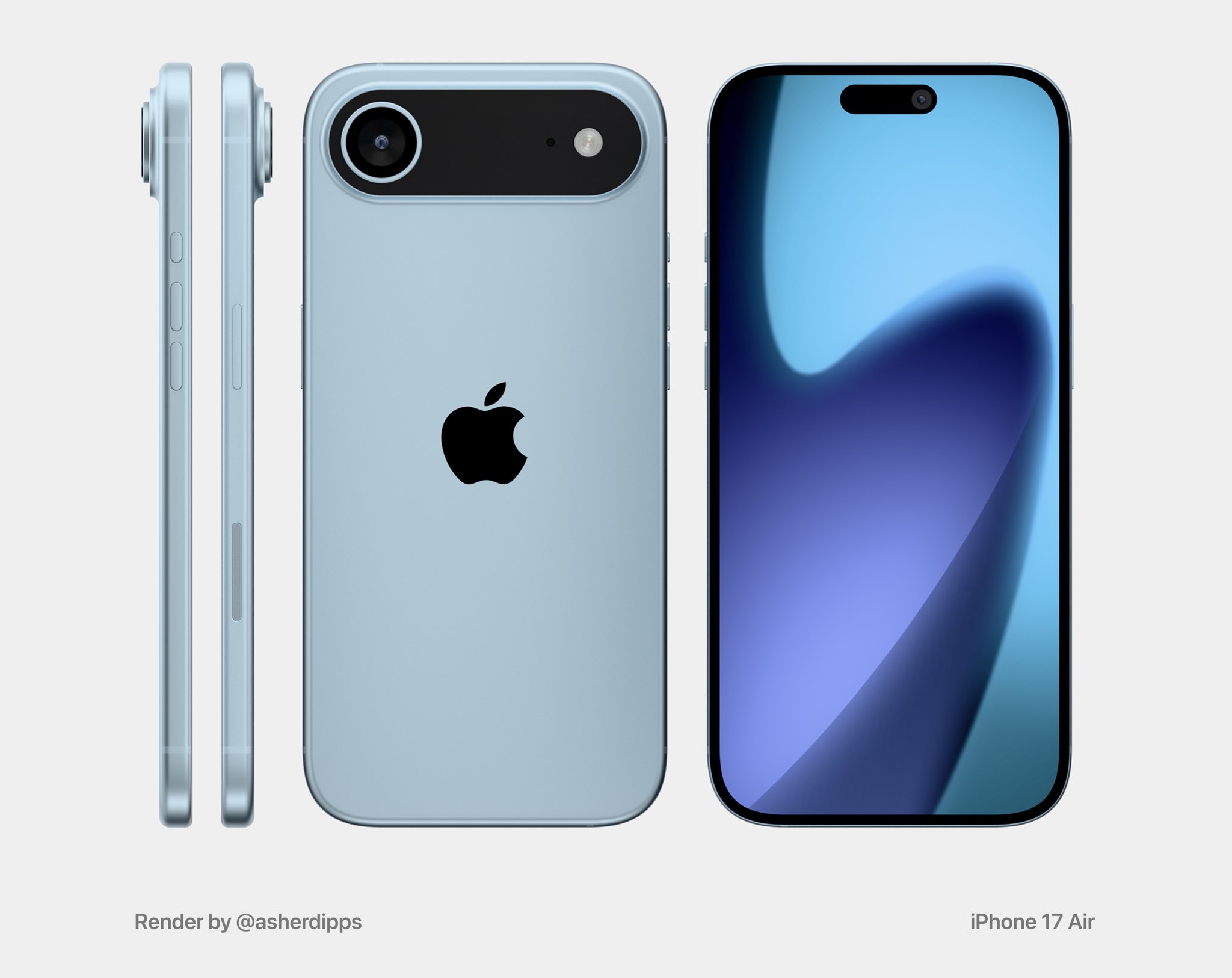
iPhone 17 Air is generating significant buzz ahead of its anticipated September 2025 release. With speculation swirling about a sleek new design, upgraded internals, and a higher price point, enthusiasts and industry watchers are eager to see what Apple will unveil. This comprehensive look explores all the key features, pricing rumors, hardware expectations, and how this model fits into Apple’s broader smartphone strategy.
Expected Launch Timeline for iPhone 17 Air
Apple traditionally unveils its flagship iPhones in early September. The most likely dates for the announcement this year are either Wednesday, September 3 or Tuesday, September 9, due to Labor Day falling on September 1. If Apple follows past patterns, the iPhone 17 Air will begin preorders shortly after the event, with a release date slated for either September 12 or 19.
It may be the final year for Apple’s uniform fall launch pattern. Reports suggest that starting with the iPhone 18, lower-cost models will be introduced earlier in the year, while Pro and premium models will remain a fall affair.
Price Expectations and Tariff Impacts
Initial rumors placed the iPhone 17 Air’s price higher than even the Pro model. However, recent Bloomberg reports indicate the phone may cost around $900, replacing the current iPhone 16 Plus priced at $929. That would keep it in competitive territory compared to Samsung’s Galaxy S25 Edge, which starts at $1,100.
Tariffs may disrupt pricing, however. Apple has been navigating potential U.S. import tariffs by diversifying production, including relocating some manufacturing to India. Still, if a 25% tariff is enforced, the iPhone 17 Air could exceed $1,100, substantially raising the entry barrier.
Design and Display Changes
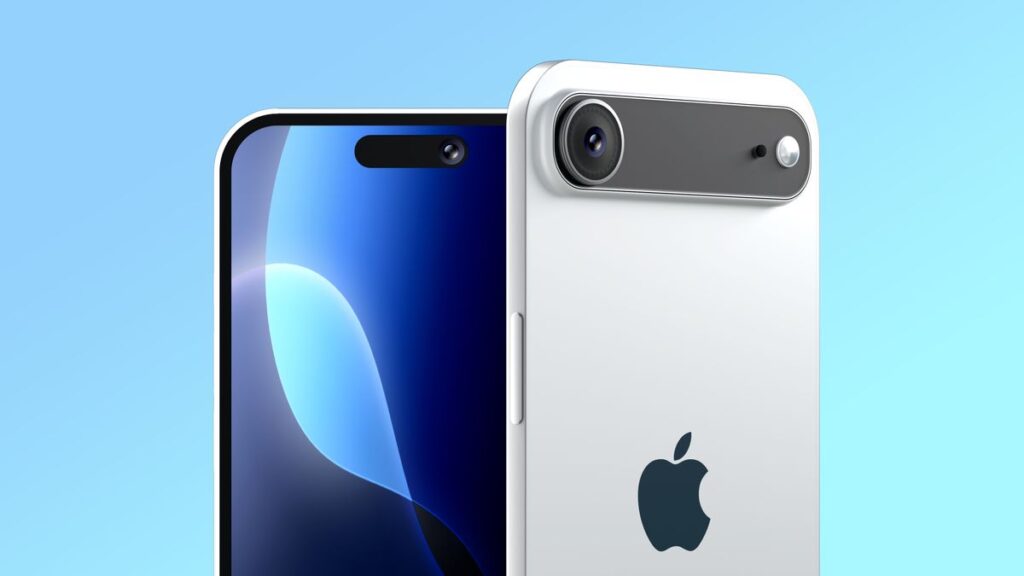
One of the most anticipated features is a radically slimmed-down design. Bloomberg reports that the iPhone 17 Air may be only 5.5mm thick, making it thinner than all previous iPhones. This aligns with Apple’s naming direction, reminiscent of the iPad Air.
Despite being thinner, the device is expected to sport a 6.6-inch display with a 1260×2740 resolution. That resolution was spotted in the iOS 26 beta 2 code, further lending credibility to the leak. The display would sit between the 6.3-inch iPhone 17 Pro and the 6.9-inch iPhone 17 Pro Max, offering a balanced screen size ideal for multimedia and productivity.
There is no confirmation yet whether the screen will feature ProMotion technology. Still, with all models rumored to offer 120Hz refresh rates, it is likely the Air will follow suit.
Materials and Frame Composition
Leaked reports suggest a shift in materials this year. The iPhone 17 Air may use a hybrid titanium and aluminum frame to retain strength while reducing weight. Meanwhile, other models in the lineup may switch to aluminum-only builds. Titanium’s inclusion could help maintain durability despite the phone’s ultra-slim profile.
Camera Setup – A Possible Trade-Off
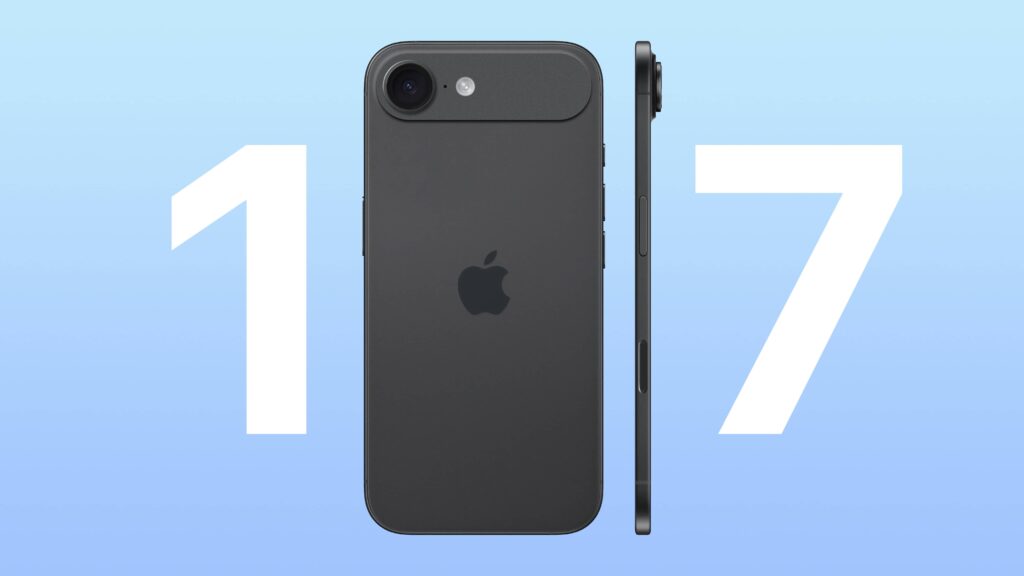
To achieve its svelte form, the iPhone 17 Air might scale back on rear camera hardware. Several credible leaks, including one from Front Page Tech, point to a single rear lens. This design is similar to the iPhone 16E and differs from the multi-camera setups seen on Pro models.
While the main rear camera’s capabilities remain uncertain, Apple may optimize it for high-quality single-lens performance. A silver lining comes with reports of a 24MP front-facing camera on all iPhone 17 models, ensuring high-resolution selfies and clearer video calls.
Performance and Memory Upgrades
Performance is expected to be another area of focus. Analyst Jeff Pu suggests the iPhone 17 Air will feature the new A19 chip, while the base iPhone 17 will retain the A18. This jump should improve power efficiency, speed, and support for AI-powered features introduced in iOS 26.
In terms of memory, the iPhone 17 Air may get 12GB of RAM, aligning it with Pro models. This would mark a significant leap from the iPhone 16 Plus and is expected to improve multitasking, gaming, and AI performance.
Color Options and Aesthetic Choices
Color rumors abound for the iPhone 17 lineup. Apple may offer the Air in shades like Pro Black and Sky Blue, alongside possible variants in purple or green. A recent X post from leaker Majin Bu showcased dummy units in these colors, suggesting a return to vibrant finishes.
These choices would distinguish the Air visually from both the base and Pro models. Apple often uses color to create product identity, and this year appears no different.
Battery Technology and iOS 26’s Adaptive Power
Battery life in a thinner phone is a delicate balance. Yet Apple may offset size limitations with technological advances. Rumors suggest that the iPhone 17 Air could use silicon-anode battery tech, which enables higher energy density in smaller cells.
According to MacRumors, the Air’s battery may be rated at 2,800mAh. However, a 15–20% efficiency gain could yield similar performance to larger batteries used in bulkier phones.
Complementing this is iOS 26’s Adaptive Power feature. This AI-powered system dynamically adjusts background tasks and processing power based on how the phone is being used. Combined with the A19 chip’s efficiency, users could experience longer battery life despite a smaller physical battery.
Dynamic Island and Sensor Changes
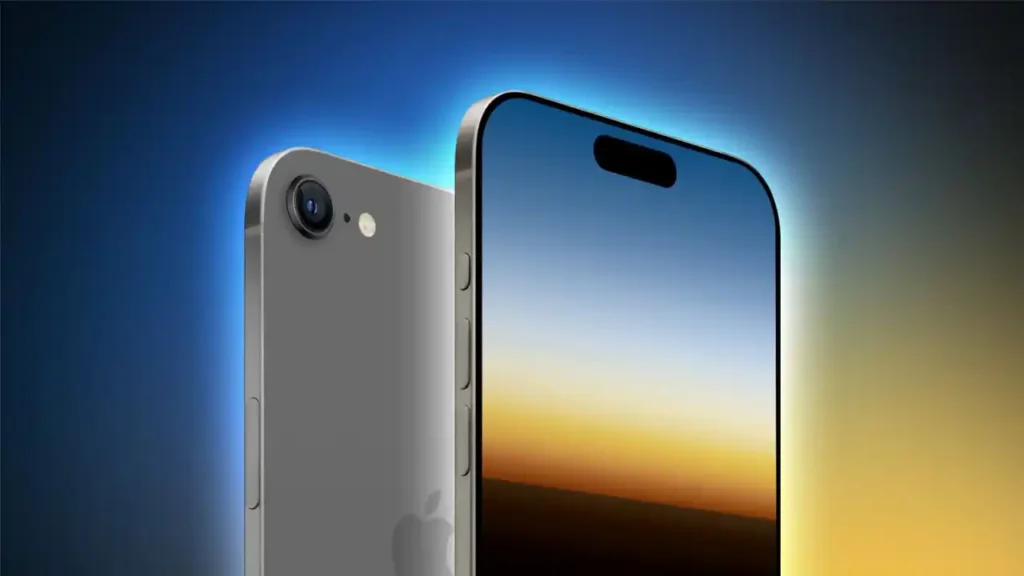
Reports indicate that the iPhone 17 Air will retain a Dynamic Island cutout, though possibly reduced in size. This aligns with Pu’s claim that Apple is switching to a new “metalens” proximity sensor, which could reduce the sensor footprint and enable slimmer bezels.
While analyst Ming-Chi Kuo has countered this, stating the Dynamic Island won’t change much, Apple’s direction with thinner designs may require component miniaturization. Either way, the Air will likely keep the familiar Dynamic Island layout.
Comparing iPhone 17 Lineup: Specs at a Glance
Here’s a breakdown of the rumored iPhone 17 models:
| Feature | iPhone 17 Air | iPhone 17 | iPhone 17 Pro | iPhone 17 Pro Max |
|---|---|---|---|---|
| Display | 6.6″ | 6.3″ | 6.3″ | 6.9″ |
| RAM | 12GB | 12GB | 12GB | 12GB |
| Chip | A19 | A18 | A19 Pro | A19 Pro |
| Frame | Titanium/Aluminum | Aluminum | Aluminum | Aluminum |
| Camera (Rear) | Single Lens | Dual Lens | Triple Lens | Triple Lens |
| Front Camera | 24MP | 24MP | 24MP | 24MP |
| Battery | 2800mAh | TBD | TBD | TBD |
| Thickness | 5.5mm | 7.8mm* | 8.25mm* | 8.725mm* |
| Price | ~$929 | ~$829 | ~$999 | ~$1,199 |
| Weight | 145g (5.11 oz) | ~6 oz | 7.03 oz | 7.99 oz |
Are the Rumors Reliable?
While Apple-related leaks have a mixed history of accuracy, sources like Bloomberg, MacRumors, and noted analysts such as Kuo and Pu generally have solid track records. Nevertheless, these details may change before the official release, as Apple iterates on product designs late into development.
How the iPhone 17 Air Could Influence Future Apple Designs
Apple has often used certain models to test design shifts before rolling them out broadly. The iPhone 17 Air could represent a turning point in Apple’s product philosophy. A successful launch could lead to more ultrathin devices across the board in future iPhone and iPad lines.
Experimenting with slimmer bodies and advanced internals allows Apple to assess both market reception and manufacturing feasibility. Depending on user feedback, the Air’s elements may inform design language across next-gen Apple products, including MacBooks and wearables.
Apple May Drop the Plus Model Lineup
Replacing the iPhone Plus line with the Air model marks a shift in how Apple segments its devices. Instead of offering a large screen version of the base model, Apple appears to be refocusing on a device that blends portability with premium hardware.
If the iPhone 17 Air performs well commercially, Apple may permanently retire the Plus series and concentrate on Air and Pro tier devices to diversify pricing and functionality without complicating the product matrix.
Consumer Expectations
Potential buyers of the iPhone 17 Air may be looking for a mix of aesthetic refinement and cutting-edge performance. Many consumers prioritize weight, size, and display clarity, especially in a device used throughout the day. The Air’s rumored features seem aligned with those preferences.
However, the possibility of a single rear camera and higher pricing may affect buyer sentiment. Apple needs to strike a balance between desirable form factor and essential features, ensuring the Air feels like a complete package rather than a compromised version of its Pro sibling.
Those in professional fields such as content creation, remote collaboration, and travel-centric careers are likely to be particularly attentive to a device that offers enhanced performance without bulk. Students and younger users may also find the color variety and lighter weight appealing, making it a strong contender in both performance and style. If the Air can deliver on its promises, it could redefine the upper-mid-tier iPhone segment.
FAQs
When is the iPhone 17 Air expected to be released?
Apple is likely to announce the iPhone 17 Air in early September 2025, with a release date expected around September 12 or 19, depending on the exact launch event timing.
How much will the iPhone 17 Air cost?
Rumors suggest the iPhone 17 Air will be priced around $900, but tariffs or other production costs could push it above $1,100, especially if it replaces the current iPhone Plus model.
What makes the iPhone 17 Air different from other models?
The iPhone 17 Air is rumored to feature a significantly slimmer design, a 6.6-inch display, a lighter titanium-aluminum frame, and possibly a single rear camera to keep its profile minimal.
Will the iPhone 17 Air have the same camera features as the Pro models?
Likely not. Leaks point to a single rear camera setup on the Air, which may not include ultrawide or telephoto lenses, though it could still feature a 24MP front camera for improved selfies.
Is the iPhone 17 Air good for power users?
With a rumored A19 chip and 12GB RAM, the iPhone 17 Air should offer strong performance for multitasking and productivity, making it suitable for users who value speed in a sleek package.
Final Thoughts
The iPhone 17 Air signals a potential shift in Apple’s strategy—emphasizing portability, weight reduction, and performance efficiency. However, to achieve this, Apple may compromise on certain hardware luxuries such as multi-lens rear cameras.
This model appears designed for users who prioritize form factor, cutting-edge internals, and modern design over pro-level photography. If the rumored specs hold, the Air could hit a sweet spot between base and Pro models. Yet it might face criticism if camera reductions feel like a step backward.
Only Apple’s September announcement will confirm whether the iPhone 17 Air redefines the premium-lightweight category or becomes a transitional experiment in the company’s evolving smartphone playbook.
