

Spotify Discover Weekly has reshaped how millions discover new music. Since its launch in 2015, the personalized playlist has become a staple of the streaming experience. Now, celebrating its 10th anniversary, Spotify is rolling out one of the most significant upgrades to the feature. This transformation leverages advanced AI, deeper behavioral analytics, and broader music sourcing techniques to improve both discovery and user satisfaction.
The Origins of Discover Weekly: A Recap
From Algorithm to Essential Feature
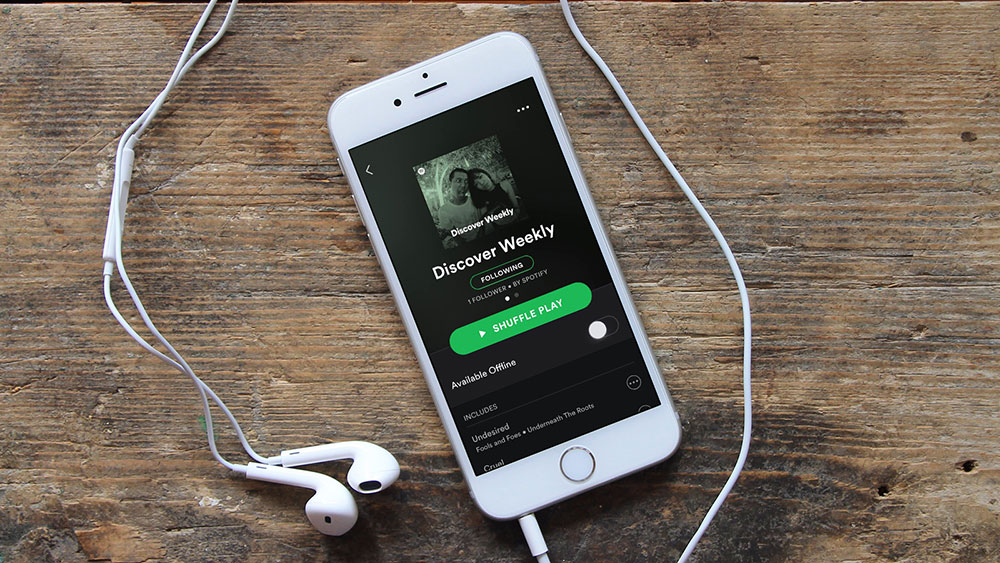
When Spotify introduced Discover Weekly, it marked a turning point in music personalization. The feature uses collaborative filtering, natural language processing (NLP), and raw listening data to craft a weekly playlist tailored to each user’s taste.
Initially, it relied heavily on user similarities—if two users liked the same songs, they were likely to enjoy each other’s undiscovered tracks. Combined with Spotify’s growing music catalog, Discover Weekly quickly gained popularity.
Understanding the Origins of Discover Weekly
A Revolutionary Leap in 2015
When Spotify launched Discover Weekly in 2015, it introduced a novel approach to algorithmic music discovery. The idea was simple yet powerful: deliver a custom playlist every Monday with music a user had never heard, but would likely enjoy. This strategy harnessed collaborative filtering and natural language processing to identify patterns in user behavior across the platform.
Growing Popularity Through Predictive Accuracy
Discover Weekly quickly gained popularity due to its uncanny ability to predict user preferences. Within its first year, users had streamed more than one billion tracks from the feature. Over time, Spotify refined the algorithms, making Discover Weekly one of its most engaging and effective recommendation tools.
Why Discover Weekly Matters More Than Ever in 2025
User-Centric Streaming Era
Streaming platforms are increasingly focused on hyper-personalization. In this landscape, Discover Weekly plays a vital role in reinforcing user loyalty and maximizing listening hours. The more accurate the playlist, the higher the engagement and retention.
Massive Growth in Music Catalogs
With over 100 million songs now available on Spotify, finding relevant music has become overwhelming. Discover Weekly acts as a filter that helps users navigate this vast catalog, ensuring they don’t miss hidden gems.
What’s New in the 10th Anniversary Upgrade
AI-Powered Deep Personalization
Spotify now integrates generative AI models trained specifically on individual listener preferences. These models go beyond genre or artist similarity—they factor in listening times, mood-based cues, day-of-week patterns, and context-driven listening such as workouts or commutes.
Real-Time Feedback Loop
Previously, Discover Weekly refreshed every Monday with no mid-week updates. With the upgrade, Spotify introduces a real-time feedback loop. If a user skips multiple songs in quick succession or thumbs down several tracks, the system dynamically recalibrates its predictions—even before the next playlist is generated.
Mood and Activity-Based Curations
Incorporating data from Spotify’s Blend, Daily Mix, and Wrapped features, the new Discover Weekly detects mood shifts and contextual preferences. For example, if a user listens to more jazz on Sunday evenings or prefers electronic tracks for workouts, those preferences are weighted more heavily.
Artist Discovery Expansion
The new version no longer limits itself to user-adjacent artists. It now integrates regional emerging artists, cross-genre hybrids, and even unsigned acts using Spotify for Artists. This enhances exposure for indie creators while broadening the user’s musical horizon.
Visual and UX Enhancements
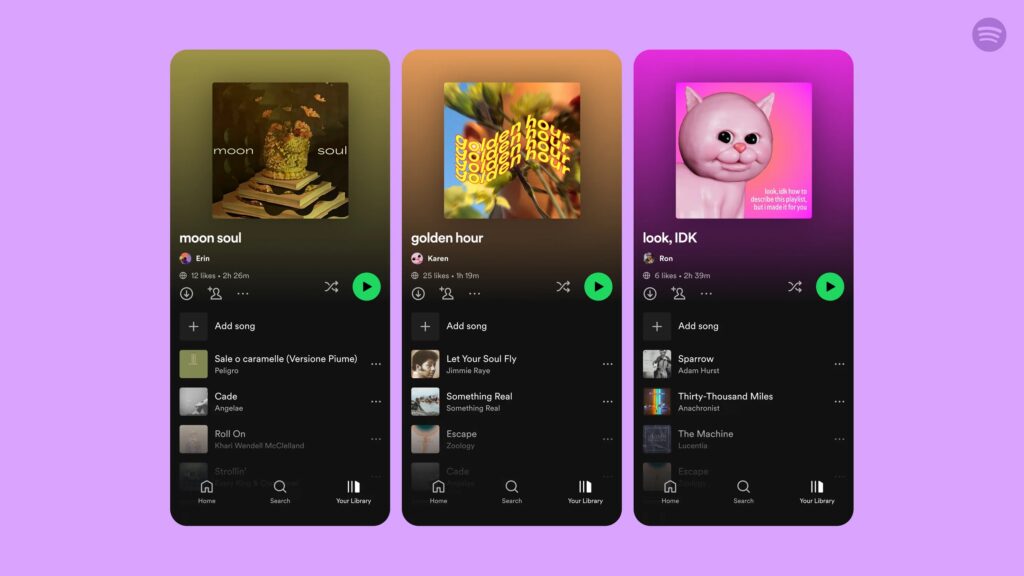
Spotify has redesigned the playlist interface to offer dynamic cover art, story-style artist intros, and preview snippets. The UI changes promote a more immersive discovery experience while encouraging users to engage with new artists.
Behind the Technology: The Engine Driving the Upgrade
Machine Learning Recalibrated
The recommender engine now incorporates transformer-based models—similar to those behind large language models like ChatGPT. These models parse nuanced patterns in listening behavior, enabling Spotify to better understand user intent.
Collaborative Filtering Plus Content-Based Filtering
Spotify’s hybrid recommendation system has matured. It now blends:
- Collaborative filtering (based on listener similarities)
- Content-based filtering (based on song metadata)
- Contextual signal interpretation (based on device, location, time, and mood tagging)
This trio ensures more accurate and less repetitive recommendations.
User Control: Empowering Listeners with More Influence
New Feedback Options
Spotify has added more granular feedback tools. Users can now:
- Rate songs within Discover Weekly
- Tag why they liked/disliked a track (e.g., “not my vibe,” “too slow,” “love the vocals”)
- Request more of a specific style or tempo
These controls feed directly into Spotify’s personalization algorithms.
Personalization Transparency
Users now have access to a “Why this track?” feature. Similar to Netflix’s explanation tool, it clarifies why a song appears in their playlist, increasing trust in the algorithm.
The Broader Strategy: Why Spotify Is Investing in Discover Weekly
Retaining Market Leadership
While Apple Music and Amazon Music have caught up in terms of catalog size and pricing, Spotify’s edge lies in discovery and personalization. By enhancing Discover Weekly, Spotify maintains its reputation as the most intuitive and intelligent music streaming platform.
Growing the Indie Music Scene
Spotify is doubling down on creator tools. The upgrade supports independent artists by increasing the chance of discovery without heavy label promotion. This democratization of discovery is part of Spotify’s broader effort to reshape the music industry.
Impact on Artists: More Visibility, Better Engagement
How Emerging Artists Benefit
With the algorithm now favoring freshness and diversity, new and unsigned artists are more likely to appear in Discover Weekly playlists. This visibility boost can lead to:
- Increased streams
- Organic fanbase growth
- Better placement in editorial playlists
Artist Insights on Discovery Analytics
Spotify for Artists now includes a Discover Weekly Analytics panel. Artists can track how many times their track was added, skipped, liked, or saved after appearing in a Discover Weekly list.
Privacy and Ethical Concerns
Data Usage Transparency
As Spotify increases data granularity, user privacy concerns emerge. The company has published an updated privacy policy outlining how listening data, mood detection, and contextual signals are collected and used.
Algorithm Bias
There are ongoing discussions about potential bias in music recommendations—whether certain genres, languages, or demographics receive disproportionate visibility. Spotify claims to be addressing this by anonymizing sensitive inputs and focusing on behavior-based patterns instead of demographic tagging.
User Reception: Early Feedback and Industry Reactions
Positive Early Impressions
Beta testers report more relevant tracks, smoother transitions between genres, and fewer irrelevant recommendations. The addition of mood and activity tagging has been especially well received.
Criticism and Areas for Improvement
Some users argue that the new interface is overly animated or that AI-based suggestions feel less “human.” Others believe more user-curated override options should be available.
Comparison with Competitor Features
| Feature | Spotify Discover Weekly (2025) | Apple Music Personalized Mixes | YouTube Music Discover Mix |
|---|---|---|---|
| Real-time adjustment | ✅ | ❌ | ✅ |
| Mood-based tagging | ✅ | ❌ | ✅ |
| Artist feedback analytics | ✅ | ❌ | ❌ |
| Independent artist discovery | ✅ | ❌ | ✅ |
| Story-style previews | ✅ | ❌ | ❌ |
Spotify still leads in multiple discovery-oriented categories, particularly around personalization depth and transparency.
Looking Ahead: The Future of Music Discovery on Spotify
Predictive Listening Journeys
Spotify is exploring predictive playlists that preemptively adapt to user behavior—building not just for the current moment but for what the listener is likely to want next.
Voice-Driven Curation
Integration with smart assistants and Spotify’s in-app voice features may soon allow users to say, “Play something like what I loved last week,” triggering an AI-curated micro-playlist.
Collaborative Discovery
Future updates may include real-time collaborative Discover Weekly, where friend networks can influence suggestions, similar to Spotify Blend but more dynamic.
Frequently Asked Questions (FAQs)
What is the main upgrade to Spotify’s Discover Weekly in its 10th anniversary update?
The major upgrade introduces AI-powered deep personalization that analyzes a listener’s mood, habits, and real-time feedback to deliver more relevant music recommendations. It also features dynamic playlist updates, mood and activity-based curation, and enhanced user interface elements.
How does the new Discover Weekly differ from the previous version?
Unlike the older version, which refreshed once weekly based on broad user behavior, the new Discover Weekly updates dynamically using real-time feedback, contextual signals, and mood recognition. It also now includes support for unsigned artists and offers visual previews to enhance discovery.
Can users customize or influence their Discover Weekly playlist?
Yes, users now have more control through granular feedback tools. They can rate songs, specify why they liked or disliked a track, and even influence future recommendations by tagging preferred moods or styles directly within the app.
Does the upgrade benefit independent and emerging artists?
Absolutely. Spotify has expanded its artist discovery engine to include more independent, regional, and genre-blending artists. This increases the chances of unsigned musicians appearing in users’ Discover Weekly playlists, offering broader exposure without label dependency.
How does Spotify ensure user privacy with the new personalization features?
Spotify has updated its privacy policy to reflect how it uses contextual data such as time of day, device type, and mood indicators. The company claims it anonymizes sensitive data and prioritizes behavioral patterns over demographic profiling to ensure ethical AI use in music recommendations.
Conclusion:
Spotify’s 10th-anniversary update to Discover Weekly is more than a facelift—it is a substantial evolution of music personalization. By combining AI, behavioral science, and user-driven insights, Spotify has set a new standard for intelligent discovery. The goal is not just to recommend music but to anticipate and understand the listener’s evolving musical journey.
As competition in the streaming world intensifies, features like Discover Weekly will be crucial for defining user experience and retaining platform loyalty. Spotify’s latest upgrade is a powerful example of how technology can turn passive listeners into engaged explorers of the global soundscape.
